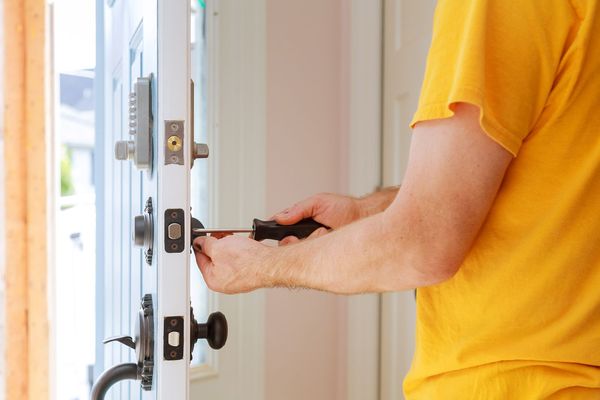
A door that sticks, a lock that won't catch or a gap that lets in a draft is the kind of problem you notice every single day. Most people live with it for months. But these problems don't stay small: frames wear where a door rubs, heating bills climb, and a lock that doesn't latch properly is a security risk.
Most door faults are quick to fix once the cause is found. This guide explains what we repair, why doors stop working, how a visit goes and how to prepare.
What our door repair service is, and what it isn't
We repair and adjust the doors in your home, and we install interior doors and door hardware. That covers the moving parts, the seals and the fittings that make a door open, close and lock properly.
We install doors and hardware that you've already bought. If a door or frame turns out to be too damaged to repair, we'll tell you plainly before any work starts.
How the service works
- You call us. Tell us which doors are giving you trouble and what they're doing.
- We give you an estimate. You'll know roughly how long the job will take and what it will cost before you book.
- We find the cause. A door that sticks may have loose hinges, a shifted frame or swollen wood. Each needs a different fix.
- We explain the repair. You'll know what we're going to do before we start.
- We adjust, repair or replace. Most jobs are completed in the same visit.
- We test and clean up. We open, close and lock the door several times, then tidy the area.
What we fix
Doors that stick, rub or won't close. Hinges tightened or reset, and edges planed where needed.
Doors that won't latch. Strike plates adjusted so the latch catches cleanly.
Squeaks and sagging. Worn hinges replaced and doors rehung.
Locks and handles. Deadbolts, handle sets and smart locks replaced or installed.
New interior doors. Pre-hung and slab doors installed, trimmed to fit and fitted with hardware.
Closet doors. Sliding and bifold doors put back on track, with rollers and guides replaced.
Draft sealing. Weatherstripping, door sweeps and thresholds renewed.
Door hardware. Door stoppers, closers and strike plates fitted or replaced.
Why doors stop working
- Humidity. Wood swells in humid summers and shrinks in dry winters, so a door that fits in January can stick in July.
- Settling. Houses shift slightly over the years, pulling door frames out of square.
- Loose hinges. Screws work loose with daily use and the door drops on the latch side.
- Worn hardware. Latches, rollers and locks have a working life and eventually fail.
- Aged seals. Weatherstripping hardens, cracks and stops sealing.
Signs it's time to call
- You have to lift, push or slam a door to close it.
- A door swings open or closed on its own.
- You can see daylight around a closed exterior door.
- You feel a draft at the bottom or sides of a door on a cold day.
- A lock needs jiggling, or the key is hard to turn.
- A closet door keeps jumping off its track.
Repair or replace?
Most doors can be repaired. Sticking, sagging, squeaking and latching problems almost always come down to hinges, the strike plate or a small adjustment to the door's edge. Replacement makes sense when a door is cracked, warped or has a damaged core, or when you simply want a new style. If you're replacing an interior door, measure the width, height and thickness of the old one and note which way it swings before you buy.
How draft sealing saves money
Gaps around an exterior door let heated air out in winter and cooled air out in summer. Sealing them is one of the least expensive ways to make a home more comfortable and reduce energy use. New weatherstripping and a door sweep are small jobs, and you'll feel the difference right away.
How to prepare for your visit
- Walk through the house. Test every door and write down what's wrong with each.
- Have new hardware on site. Locks, handles or doors you've bought, in their packaging.
- Measure before you buy a door. Width, height and thickness of the existing one, and which way it swings.
- Clear the area. Move furniture, rugs and shoes away from the doorway so we can work.
- Have your keys ready for any lock we're working on.
Why homeowners call The Man on Call
The Man on Call is a locally owned home services company based in Newmarket, serving homeowners across the GTA. We like the small repairs that make a home easier to live in every day.
For doors, that means we find the cause instead of forcing a quick fix that won't last. We arrive when we say we will, tell you what the job will cost before we start, and check every door we touch before we leave.
Because we also handle carpentry, drywall and painting, we can finish the details around the repair, such as replacing damaged trim, patching the frame and touching up the paint.
Door sticking or not closing?
Tell us what's giving you trouble, and we'll give you an estimate and a time that works for you. Call The Man on Call and we'll have it working like new.